


blubet: Match previews in Brazil with context, form, and insights for 2026
A good preview starts before kickoff: it brings together the schedule, the teams’ current form, possible lineup changes, and what each matchup could mean for the round. On this page, blubet brings together resources for following football matches and other competitions with a focus on data, without turning trends into certainties. The goal is to help new and experienced fans understand why a matchup is worth watching, which factors could influence the pace, and where to check score and standings updates.
When consulting blubet bet, treat each analysis as editorial content that may change at the last minute. Match times, player availability, and the sequence of games may be updated by competitions and clubs. The notes on this page prioritize official sources, recent performance, and tactical context; they do not invent scores or present future results as facts. To follow the full picture, compare the preview with the round’s schedule and return after the match to review what happened.
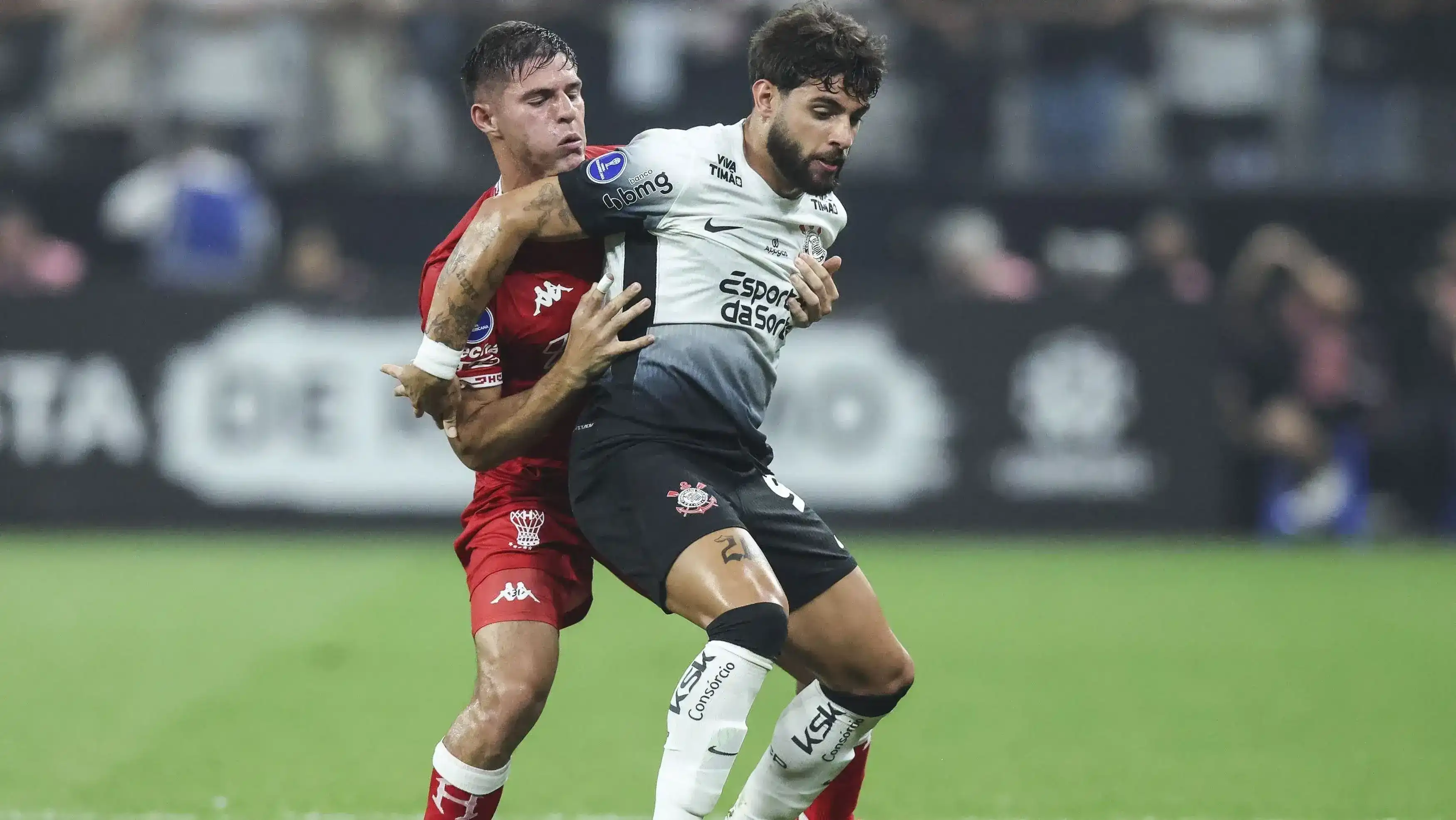


Upcoming Matches
Upcoming ties. Check the date and start time before you follow live.
How to interpret the round’s key matchups
A useful preview does more than point out which team is in better form. It explains what supports that impression and which variables could change the game plan. In 2026, the schedule may bring together league, cup, and national team commitments; for that reason, rest, travel, and squad rotation deserve attention alongside performance statistics.
Context matters more than an isolated streak
When assessing upcoming matches, consider the sample behind each comment. Five matches may indicate a trend, but they do not tell the whole story: opponents, home advantage, red cards, and the schedule all affect the analysis. One team may have created plenty of attacking opportunities without converting them; another may have earned points with a compact defense and few chances. A preview should distinguish performance from results and make clear when a conclusion is only a tactical hypothesis.
For Brazilian club matchups, home advantage is often a relevant factor, but it is no guarantee. Compare the team’s organization at home with its performance away, its ability to press after losing the ball, and how it protects the penalty area. In European leagues, also consider the run of continental fixtures: travel and short breaks may lead coaches to rest key players. The schedule helps explain decisions, but the official lineup is the decisive confirmation.
- ✔ Check whether the trend came from comparable matches.
- ✔ Separate chance volume, efficiency, and final result.
- ✔ Consider home advantage, rest, and travel before comparing teams.
Where to find the next update
Follow club announcements, league channels, and confirmed lineups. Coverage of blubet upcoming matches can be viewed alongside live scores and the competition standings, creating a clear sequence: preview, live coverage, and post-match review.
Visit blubet.club as a gateway to sports content, and check the update date shown in each section.
What makes a matchup interesting
Clashes between styles often raise good questions: can a high defensive line contain quick transitions? Will a technical midfield have room to build attacks? The answer depends on how the teams match up, not just the clubs’ names. A blubet preview should present these factors in clear language and distinguish confirmed facts from possible scenarios.
This approach works for derbies, cup finals, and matches that affect the top or bottom of the standings.
Lineups, absences, and adjustments that could change the game plan
Injuries and suspensions in context
Squad news should be presented with caution. A confirmed absence may affect playing out from the back, midfield protection, or presence in the penalty area, but its impact depends on the available alternatives. Distinguish between a confirmed injury, suspension, doubt, and a coach’s decision; these are not equivalent. If there is no official announcement yet, the preview should flag the uncertainty rather than treat rumors as confirmed information.
The player’s role matters too, not just their listed position. The absence of a fullback who moves inside may require a different setup, while replacing a forward who runs in behind with a player who supports the attack changes how the team attacks. For teams with a packed schedule, rotation may be planned even when there is no fitness issue. So follow the final training session and the squad list released by the club before drawing conclusions about how each team will line up.
Tactical analysis for beginners
Watch three phases: buildup, pressing, and defensive transition. In buildup, see whether the team looks for short passes or moves the ball quickly down the wings. When pressing, notice whether the forwards try to win the ball back near the penalty area or drop back to close down space. After losing possession, the team’s reaction shows whether it can stop counterattacks or needs to recover its defensive shape quickly.
These signals help explain why a lineup change may matter. A more mobile defensive midfielder can cover the channels; a fast winger can attack the space behind the defense. You don't need to master technical terms: relate each choice to the space the opponent tends to exploit and see whether the plan holds up during the match.
What to check shortly before kickoff
Official lineups usually clear up questions that an earlier analysis cannot resolve. Check the starters, bench, captain, and possible formation changes; compare them with the preview and note which assumptions no longer make sense. If the time or venue changes, use the competition's official channel. Careful updates prevent outdated information from being repeated and keep coverage useful both for those following the entire matchday and those tuning in shortly before the game.
Head-to-head history without turning the past into a prediction
Head-to-head records provide context, but they need to be read in light of their era. Squads, coaches, and playing styles change; an old meeting may have little relevance to the current match. Rather than reducing the analysis to a win count, look for recurring patterns in recent encounters: intense midfield battles, difficulty playing out under pressure, an advantage from set pieces, or shifts in dominance between halves.
Compare the history with current form and the match venue. A derby played in a packed stadium may have a different pace from a match at a neutral venue. In knockout tournaments, the rules also matter: the need to chase a result can open up space or make the start more cautious. These factors help raise useful questions, but they do not justify predicting a future score. The past describes what happened; the preview organizes factors to help follow what may happen.
For a balanced view, look for sources that identify the competition, date, and statistical sample. If the sample is small, say so. If the coach or system has changed, explain why the comparison has limits. This transparency is central to a scores and news portal: readers get verifiable references, understand the uncertainties, and can review the analysis after the final whistle without confusing expectations with facts.
Competitions and teams to follow this season
The highlights below are editorial coverage references, not a fixed schedule. Dates and matchups depend on the official organizers of each competition. Each card points to an angle to watch, helping you follow form, context, and possible changes in the standings.

Premier League
English football combines a demanding schedule, high pressing, and deep squads. When following a matchday, compare home and away performances, as well as the time since the previous fixture; rotation can affect intensity and coaches' choices.
View sports coverage
La Liga
Possession control and use of the channels often feature in analyses of the league. Watch how compact teams close down the center and what options emerge out wide; tactical analysis often explains a matchup better than an isolated sequence.
View sports coverage
Serie A
In the Italian league, organization off the ball and the quality of transitions offer useful points to watch. Follow formation changes, protection of the penalty area, and the full-backs' involvement, always relating the data to the opponent and the stage of the season.
View sports coverage
Bundesliga
Pace and quick transitions are recurring themes in the Bundesliga. To assess a matchup, watch the distance between the defense and midfield and how each side reacts when it loses possession. Cup fixtures may also affect the starting lineup.
View sports coverage
Champions League
In continental matches, styles and experience from different leagues come together. The stage format, aggregate score where applicable, and squad management all shape the approach. Always check the current rules before interpreting the teams' behavior.
View sports coverage
Campeonato Brasileiro
Travel schedules, home advantage, and switching between competitions affect the performance of Brazilian clubs. Follow the official table alongside postponed matches and games in hand to compare teams with the same schedule context.
View sports coverage
Copa Libertadores
Travel, altitude at some venues, and intense atmospheres are part of the continental context. Check the official venue and time, and watch how clubs balance pressing, possession, and defensive protection at each stage of the tournament.
View sports coverage
NBA
During the NBA season, stretches of games, rest, and squad availability help put each matchup in context. Beyond points, watch rebounds, turnovers, and team efficiency, using official statistics and clearly identified samples.
View sports coverage
Brazil National Team
International breaks bring together players from clubs and require attention to travel, training time, and squad selection. Follow official announcements and treat friendlies, qualifiers, and tournaments as distinct contexts, without mixing their objectives or formats.
View sports coverageHow to read schedules, scores, and standings
Use the schedule to find the kickoff time, round, stadium, and match status. A postponed or in-progress match listing should be interpreted according to the competition’s latest update. On score pages, confirm whether the displayed time matches the official clock and whether stoppage time or breaks have been accounted for. After the match ends, check the match report or official record before sharing a result.
Standings require attention to tiebreakers and pending matches. Points, goal difference, and matches played provide a snapshot of the competition, but do not tell the whole story: teams with different numbers of matches cannot be compared directly. Consult the regulations to understand the order of tiebreakers and check the date of the latest update. This content does not publish a manually maintained table, as official data can change during a match round.
Frequently asked questions about previews and matches
How can I find upcoming games featured by blubet?
Check the competition sections and the schedule linked to the sports coverage. The cards feature tournaments and analysis angles, while kickoff times and matchups should be confirmed using updated official information. Since changes can occur, check the page date and return closer to kickoff to see whether the schedule has changed.
What should a match preview explain?
A solid preview provides context on recent form, home advantage, the schedule, tactical styles, and lineup uncertainties. It separates confirmed facts from possibilities and does not promise a result. Use these elements to follow the match with more information, then compare the analysis with events officially recorded afterward.
How should I interpret an absence that has not yet been confirmed?
Treat it as uncertain until the club or competition publishes confirmation. Injury, suspension, a coach’s decision, and being rested are different situations, and each can affect the team’s plan differently. The official lineup is the most reliable reference; read preliminary reports with caution and update them when verifiable information becomes available.
Why might the standings differ between two checks?
An ongoing round, a postponed match, or an update to the official tiebreakers can change how the data is presented. Check the time of your query, the number of matches played, and the competition regulations. When comparing teams, also consider pending matches rather than interpreting only the position or points shown at that moment.
Does the head-to-head record indicate what will happen in the next matchup?
No. The history can help identify patterns and rivalries, but squads, coaches, conditions, and objectives change. Use previous matchups as context alongside current form and confirmed lineups. Responsible analysis does not turn past results into certainty about the future or invent scores for matches yet to be played.
Follow the round with context and up-to-date information
Use previews as a starting point, check official sources for last-minute changes, and follow scores and standings without confusing analysis with certainty. Sports also call for balance: take breaks, respect your screen time, and prioritize a healthy viewing experience.