


blubet Sports Betting in Brazil in 2026: a guide to following every round
blubet brings together an editorial experience for those who want to follow schedules, scores, team form, and the context of major competitions. This Sports Betting page presents sports as information: no promises of results, no invented scores, and careful attention to the difference between confirmed data and schedule projections. For those just starting out, the aim is to explain how to find a match, compare clubs’ recent form, and interpret a standings table without relying on jargon. More experienced readers can find ways to track fixture sequences, home and away performance, and general squad news. The term blubet bet appears as a search reference, but the content remains focused on sports coverage and guidance for following the action.
Match Centre
Upcoming ties. Check the date and start time before you follow live.
A clear read before, during, and after the game
Start with the competition and date; then check the indicated local time and the match status. The schedule helps you plan for the round, while the score summarizes what has happened on the field. After the final whistle, performance data and the standings provide a broader view than the result alone.
The address blubet.club can be used as a starting point for exploring the coverage. In 2026, schedules and times may change due to decisions by organizers, broadcasts, or local conditions; therefore, always confirm the latest information before following a match.
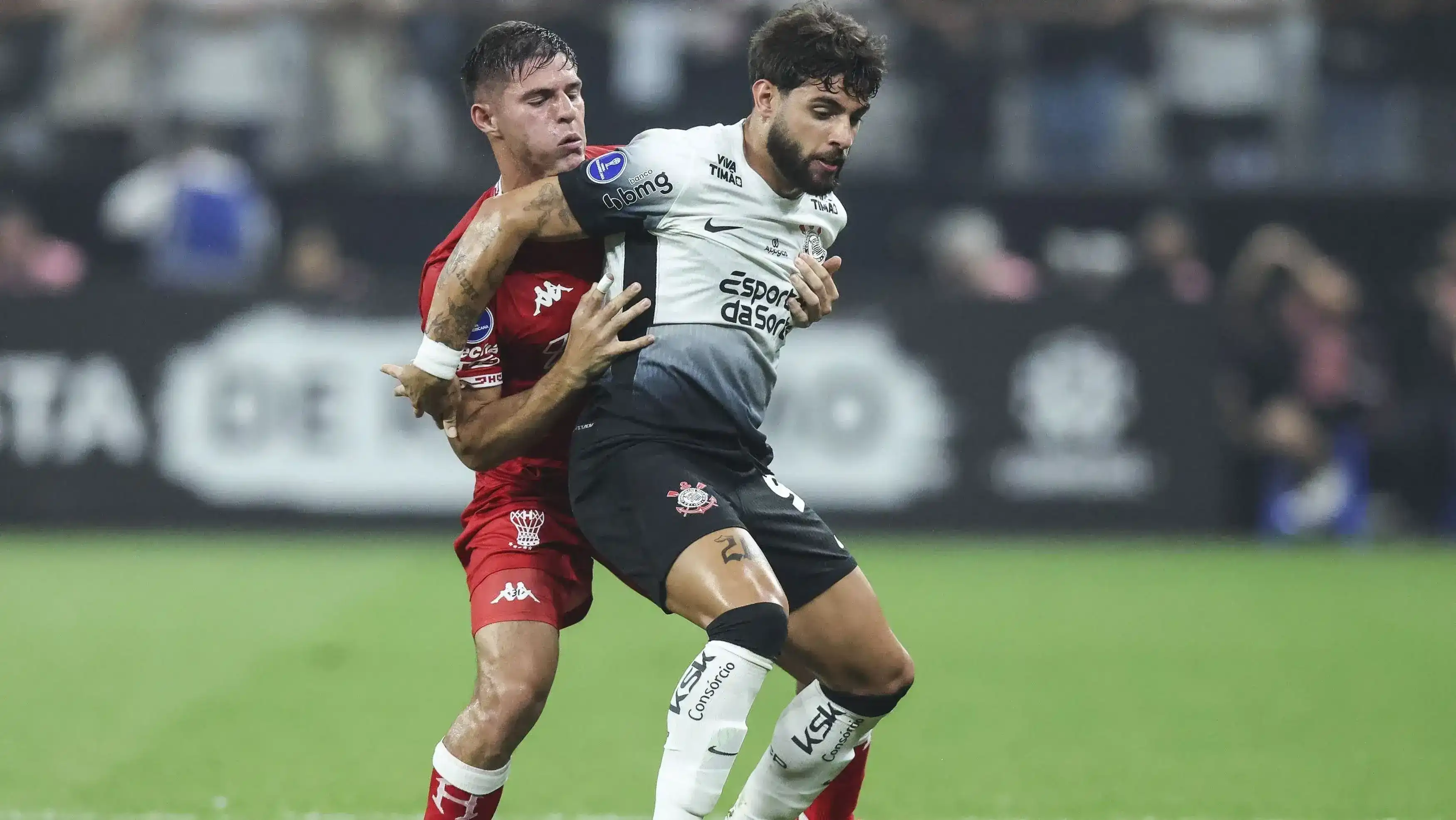
How to interpret the schedule and scores without losing context
A sports schedule is most useful when it shows the competition, round, participants, date, and time in one place. Before following a matchup, identify whether the event is part of a domestic league, a knockout cup, or a continental competition: the format changes the significance of each match. In round-robin championships, consistency over several rounds is usually more revealing than a single result. In knockout competitions, on the other hand, the aggregate score, the first leg, and the official tiebreaking rules can change how the matchup is understood. blubet bet may be a phrase readers search for, but the focus here is on explaining sports information, not presenting predictions as certainties.
When checking the time, note the time zone shown. International matches may be converted to Brasília time, and schedule changes are not always reflected at the same time across all calendars. If a match is marked “to be determined,” it means the organizer has not yet confirmed a public start time. If it is marked “postponed” or “suspended,” look for an official update before rearranging your plans. These labels describe the event’s status; they do not indicate when it will resume.
During a game, the live score should be read alongside the minute, period, and recorded events. In football, for example, stoppage time can extend a half; in basketball, the quarter and time remaining are essential to understanding the situation. A scoreboard may be delayed due to a connection issue or data provider validation. To avoid jumping to conclusions, compare the update with the broadcast or the competition’s official channels if there is a discrepancy. The coverage aims to distinguish confirmed information from editorial commentary.
It is also worth distinguishing cumulative statistics from per-match indicators. Goals, shots, possession, cards, and corners help describe a performance, but no single number tells the whole story. Possession, for example, does not automatically demonstrate control of scoring chances; the number of shots needs to be considered alongside their quality and location. Rather than treating metrics as certainties, use them to ask questions: Did the team create chances? Did it manage to protect its area? Did it maintain intensity after coming under pressure? This approach works for both beginners and those who have followed football for years.
What recent results reveal about teams and competitions
Recent form offers a brief snapshot of the current situation, not a guarantee for the next match. A run of five games can help identify trends, provided you consider who each team played, where it played, and in which competition. Wins against opponents with different styles are not directly equivalent; likewise, an away draw may have different significance depending on the context of the round. For a balanced view, combine recent results with home and away performance, goals scored and conceded, and general squad availability. News of injuries or suspensions should be treated cautiously until confirmed by reliable sources.
In the standings, points, matches played, wins, draws, losses, and goal difference form the basis for comparison. Goal difference may serve as a tiebreaker, but the official order also depends on the competition’s specific rules. That is why an updated table needs to include the round or reference date. If two clubs have played a different number of matches, their positions may change once the outstanding games are played. In tournaments with different phases, do not compare groups, rounds, or stages directly without checking the regulations.
A more complete form analysis looks at tactical patterns without claiming they will be repeated. One team may press high at home and take a more cautious approach away; another may rely on quick transitions or set pieces. The schedule matters too: long trips, short breaks between fixtures, and a run of decisive games can affect squad rotation. These are factors for adding context to coverage, not automatic explanations for a result. In Brazilian football, it is also important to note that clubs may compete simultaneously in the Brasileirão, domestic cups, and continental tournaments.
To follow the championship, take a layered approach: first look at position and points; then compare home and away records; finally, check upcoming fixtures and recent form. The standings summarize the journey, while the schedule shows what lies ahead. By considering both, readers can understand why a matchup may matter for the title race, continental qualification, or avoiding the bottom places. Its significance should be described based on the published situation, avoiding dramatic labels unsupported by the numbers.
- Check the reference date before comparing positions.
- Consider home advantage and the number of matches played.
- Treat squad news as information that may change, not as presumed confirmation.
- Use statistics to explain trends, not as infallible predictions.
Plan your game-day routine and follow each sport
A good routine starts with choosing the competitions that genuinely interest you. Instead of opening several schedules without a plan, pick leagues, clubs, or sports and check the round’s fixtures at a set time each day. For tomorrow’s games, check whether the schedule is confirmed and whether the time is shown in the Brazilian time zone. In weeks with simultaneous matches, prioritize fixtures that could change the standings or decide a knockout stage; then follow the others through recaps and updates. This organization reduces the chance of mixing up times and makes the experience more informative.
Before kickoff, a responsible preview brings together the competition context, the teams’ current form, recent head-to-head history when available, and any unresolved lineup questions. Head-to-head history is only one factor: squads, coaches, and circumstances change, so past results should not be treated as likely to repeat. Beginners may want to start by following the team names, the round, and the tournament’s general objectives. Those already familiar with the sport can look at pressing, transitions, attacking efficiency, and formation changes.
During the match, use the score to track how it is progressing and look for a reliable broadcast or report source for details that a number cannot show. In events with rapid updates, the minute shown may vary between providers. If there is a discrepancy, avoid sharing information without confirming its source. After the game, a recap should answer simple questions: who scored, when the momentum shifted, which substitutions had an impact, and how the result affects the round? If something has not been confirmed, coverage should say that the information is pending.
The same approach applies to other sports. In basketball, periods, team fouls, and shooting efficiency help explain the game; in tennis, games, sets, and serving order are essential; in combat sports, rounds and decision criteria need to be explained without oversimplification. For international matches, time differences may require extra planning. blubet content prioritizes guidance on how to follow events and their context, not promises of results. Following sports in a balanced way also means taking breaks, choosing reliable sources, and keeping the activity within a healthy routine.
Before kickoff
- Confirm the competition, date, time, and venue.
- Read the preview alongside recent team news.
- Separate confirmed facts from lineup questions.
After the final whistle
- Check the final score and the event’s official status.
- Compare statistics with the context of the game, not in isolation.
- See how the result affects the standings and the next fixtures.
Ways for fans in Brazil to follow the action
The suggestions below highlight real tournaments and different ways to follow their stories. Schedules and participants vary by season; check the current schedule before planning your round.
Campeonato Brasileiro Série A
The points-based league format invites you to look at consistency, home advantage, and the run of fixtures. Compare the standings with matches played and follow how each round reshapes the top and bottom of the table.
View sports coverage
Copa do Brasil
The knockout format highlights the context of each stage and the official qualification criteria. Follow confirmed dates, changes to home venues, and general squad news without confusing the result of one match with the outcome of the entire tie.
Explore the competition
Copa Libertadores
The group stage and knockout rounds call for different perspectives. Consider the schedule, travel, and each team's situation in the current stage; the standings only make sense when viewed in relation to the number of matches played and the group's rules.
Follow the Libertadores
Premier League
The English league brings together a variety of styles and a packed schedule. To understand the clubs' form, compare their recent run, home and away performances, and the time between matches, always taking the data's update date into account.
View league games
La Liga
The Spanish schedule features matchups of great technical interest and contests across different areas of the standings. Follow the schedule by round and use attacking and defensive statistics as a supplement, not as the sole explanation for a result.
View coverage
UEFA Champions League
European nights bring together clubs from different leagues and stages with their own formats. Always check the stage, local time, and qualification criteria; a useful preview separates confirmed facts from possible lineup changes.
Follow the competition
NBA
During the regular season, the packed schedule makes rest periods and the overall condition of the rosters important. Read the score alongside the quarter, clock, and team statistics to understand the pace, without reducing the game to a single indicator.
View basketball coverage
Wimbledon
The tournament calls for attention to the order of play, the surface, and progress through the rounds. In tennis scores, sets and games are essential; follow official updates to distinguish an ongoing match from a break or postponement.
Follow tennis
Bundesliga
The German championship offers a clear schedule for following teams' progress and the battle for positions. Compare attacking output and defensive consistency over several rounds, taking home advantage and the context of each opponent into account.
View Bundesliga gamesHow sports coverage organizes information
Schedule, results, and standings
Event times and statuses depend on updates from competitions and data providers. A future match may have its time changed; a live score may be slightly delayed; and standings may change after an official review. Check the reference date, match status, and competition before sharing any information.
Statistics in context
Recent form, home or away performance, and attacking and defensive numbers help organize your understanding, but they do not replace following the game. Sample data should be identified as an example; this page does not present fabricated results or claims of guaranteed wins. The goal is to provide context and encourage a balanced relationship with sport.
Questions about schedules, scores, and standings
How do I find the schedule for upcoming games?
Choose the competition or team and check the date, time, and status of each event. For tomorrow's games, check whether the time has been confirmed and whether it is shown in Brasília time. The schedule may change at the organizer's discretion, so check again close to kickoff and use official channels if there is a discrepancy.
What does it mean when a score is shown as live?
This indicates that the match is in progress and the data is updated during the event. The minute, period, or quarter helps you interpret the score. There may be a delay between events on the field and the digital update, so confirm decisive information through a broadcast or official source if you notice an inconsistency.
How do I read standings when teams have played different numbers of games?
Check the matches played column before comparing points and positions. A club with a game in hand may move up or down when it completes the round, but this should not be treated as a result in advance. Also check the official tiebreaking criteria, which may include goal difference and other items defined by the competition regulations.
Does the last five matches sequence predict the next result?
No. Recent form is a limited snapshot and needs to be considered alongside the level of the opponents, home advantage, the schedule, and the overall availability of the squad. It may reveal trends for editorial analysis, but it does not guarantee a repeat. Use it as context alongside the standings and confirmed news.
Why might match data change after the event ends?
Organizers and providers may review events, statistics, or a match's status after verification. Time corrections, score sheet updates, or later confirmation of information may also occur. When this happens, the most reliable reference is the latest official publication; check the timestamp before citing figures in a conversation or post.
Choose the competition, check the details, and enjoy the sport
Use the schedule to plan, the scoreboard to follow along, and the analysis to understand the context. Sport should be part of a healthy routine: take breaks, respect your time limits, and prioritize reliable sources. No statistic guarantees a future result.